


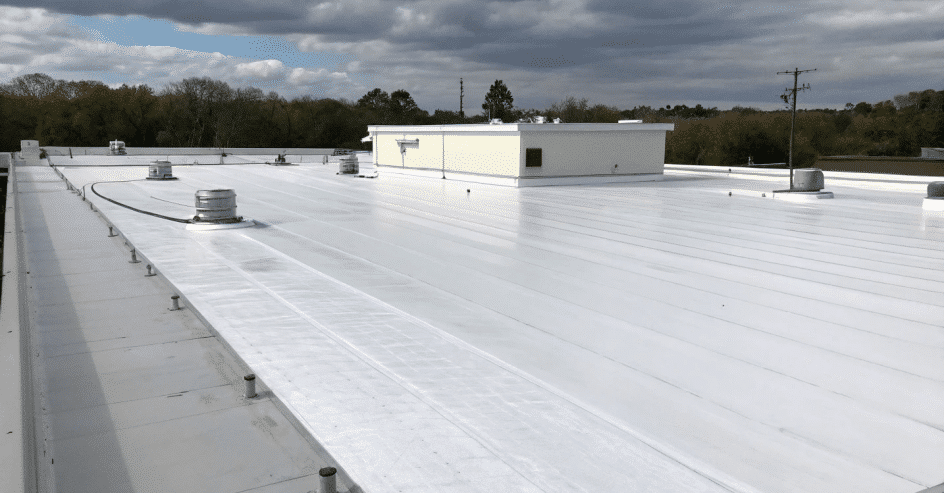
Low-VOC Elastomeric Roof Coatings for Green Buildings
Low-VOC elastomeric roof coatings help New Orleans commercial building owners reduce harmful emissions, lower cooling costs, and extend roof life in the Gulf Coast’s humid subtropical climate. Big Easy Roof Repairs applies these environmentally responsible coatings to protect properties while supporting green building goals throughout the greater New Orleans area.
New Orleans building owners face a unique set of challenges when it comes to roofing. Between the relentless humidity, intense UV exposure, and the growing demand for sustainable construction practices, choosing the right roof coating matters more here than almost anywhere else in the country. Big Easy Roof Repairs helps commercial and residential property owners across the greater New Orleans area select and apply low-VOC elastomeric roof coatings that protect both the building and the environment.
Unlike standard roof coatings that release volatile organic compounds into the air during and after application, low-VOC formulations keep harmful chemical emissions to a minimum. In a city where outdoor air quality already competes with heat and moisture, reducing VOC output from roofing materials is a meaningful step toward healthier indoor and outdoor environments.
What Are Low-VOC Elastomeric Roof Coatings?
Low-VOC elastomeric roof coatings are flexible, water-based roofing membranes formulated with reduced levels of volatile organic compounds. They combine the stretch and durability of elastomeric polymers with an environmentally conscious formula that limits off-gassing during application and throughout the coating’s lifespan.
How Do Low-VOC Coatings Differ from Standard Elastomeric Coatings?
Low-VOC coatings contain fewer than 50 grams per liter of volatile organic compounds, compared to conventional coatings that may contain 150 g/L or more. This lower VOC content means reduced chemical odors during application, less air pollution, and a safer environment for building occupants and nearby residents. The performance characteristics, including reflectivity, waterproofing, and flexibility, remain comparable to traditional formulations.
For New Orleans commercial properties where tenants or employees remain in the building during roof work, the lower odor and reduced chemical exposure of low-VOC coatings allow business operations to continue with minimal disruption.
What Makes Elastomeric Coatings Flexible Enough for Louisiana’s Climate?
Elastomeric coatings are engineered with acrylic or silicone polymers that stretch up to 300% and return to their original shape. This flexibility allows them to expand and contract with the roof substrate as temperatures shift between the heat of a New Orleans summer afternoon and cooler overnight conditions, preventing cracks that would otherwise allow water intrusion.
This elasticity is especially valuable in Louisiana, where roof surfaces can reach over 150 degrees Fahrenheit in direct summer sunlight and then experience rapid cooling during afternoon thunderstorms. The coating moves with the substrate rather than cracking under thermal stress.
Why New Orleans Buildings Need Low-VOC Roof Coatings
The Gulf Coast climate creates conditions that test every roofing material to its limits. New Orleans averages roughly 64 inches of rainfall annually, maintains average humidity levels above 75%, and experiences prolonged UV exposure from April through October. These factors accelerate roof degradation and make protective coatings essential rather than optional.
How Does Subtropical Humidity Affect Roof Coating Performance?
High humidity accelerates mold and mildew growth on roof surfaces and can compromise the adhesion of poorly formulated coatings. Low-VOC elastomeric coatings designed for humid climates include mildewcides and fungicides that resist biological growth, while their seamless membrane prevents moisture from penetrating to the roof deck below. Water-based low-VOC formulations also cure properly in humid conditions.
In the New Orleans metro area, standing water after heavy rains is a persistent concern for flat and low-slope commercial roofing systems. A properly applied elastomeric coating creates a continuous waterproof barrier that prevents ponding water from causing leaks or structural damage.
Do Louisiana Building Codes Require Low-VOC Materials?
Louisiana follows the Louisiana State Uniform Construction Code (LSUCC), which incorporates the International Building Code and International Energy Conservation Code. While the state does not currently mandate low-VOC roof coatings specifically, buildings pursuing LEED certification or other green building standards must meet strict VOC limits for all applied materials, including roof coatings.
New Orleans has also explored green building policy options through partnerships with the National Renewable Energy Laboratory, and property owners who invest in low-VOC materials now position their buildings to meet future regulatory requirements while also qualifying for green building incentive programs.
Green Building Benefits of Low-VOC Coatings
Choosing a low-VOC elastomeric roof coating delivers measurable environmental and financial benefits. These advantages extend beyond the rooftop to affect energy consumption, indoor air quality, and even the surrounding neighborhood.
How Much Can Reflective Low-VOC Coatings Reduce Cooling Costs?
Reflective elastomeric roof coatings can lower roof surface temperatures by up to 50 degrees Fahrenheit by reflecting solar radiation instead of absorbing it. For New Orleans commercial buildings, this translates to HVAC energy savings of 20% to 40%, depending on building size, insulation levels, and roof exposure. These savings are particularly significant during the six to eight months of cooling season that Gulf Coast properties experience each year.
The commercial roofing applications where these savings add up fastest include warehouses, retail centers, and office buildings with large roof footprints relative to their conditioned floor space.
Do Low-VOC Coatings Help With LEED Certification?
Yes. LEED (Leadership in Energy and Environmental Design) certification awards credits for using materials with low VOC content. Roof coatings with VOC levels below 50 g/L contribute to credits in the Indoor Environmental Quality and Materials and Resources categories. A reflective white roof coating also earns credits under the Sustainable Sites category by reducing the urban heat island effect.
For New Orleans property owners pursuing LEED certification for new construction or major renovations, selecting a low-VOC elastomeric coating is one of the most straightforward ways to accumulate multiple certification credits from a single material choice.
How Do These Coatings Reduce the Urban Heat Island Effect in New Orleans?
Dark rooftops absorb solar energy and radiate heat back into the surrounding air, raising ambient temperatures in dense urban areas by 2 to 8 degrees Fahrenheit above surrounding rural areas. Reflective low-VOC coatings reverse this process by bouncing solar radiation away from the roof surface, which keeps both the building interior and the surrounding air cooler.
In neighborhoods across New Orleans, from the Central Business District to the Warehouse District to Gentilly, widespread adoption of reflective roof coatings could meaningfully reduce summertime heat stress. This is especially relevant given the increasing frequency of extreme heat events along the Gulf Coast.
Can Low-VOC Coatings Extend the Life of an Existing Roof?
A properly applied elastomeric roof coating can extend the functional life of an existing roof by 10 to 15 years. The coating acts as a sacrificial layer that absorbs UV damage, thermal cycling, and moisture exposure that would otherwise degrade the underlying roofing material. This extended service life means fewer full roof replacements over the building’s lifetime, reducing both cost and landfill waste.
For New Orleans building owners who want to avoid the expense and disruption of a complete tear-off and replacement, a low-VOC coating restoration is a cost-effective alternative that delivers both performance and environmental benefits.
Choosing the Right Low-VOC Coating for Your Property
Not every low-VOC coating performs equally in every application. Roof substrate, slope, sun exposure, and building use all influence which product will deliver the best long-term results.
What Types of Roofs Work Best With Low-VOC Elastomeric Coatings?
Low-VOC elastomeric coatings adhere well to metal, concrete, modified bitumen, single-ply membranes, and spray polyurethane foam substrates. Flat and low-slope commercial roofs benefit most because of their larger surface area and greater exposure to ponding water. The coating’s seamless application eliminates seams and joints where water typically infiltrates.
Before application, the existing roof must be cleaned, repaired, and primed according to manufacturer specifications. In the humid New Orleans environment, proper surface preparation is critical to achieving full adhesion and maximum coating longevity.
Should You Choose Acrylic or Silicone Low-VOC Coatings?
Acrylic low-VOC coatings offer excellent UV reflectivity and color retention at a lower cost, making them ideal for sloped roofs with good drainage. Silicone low-VOC coatings resist ponding water better than acrylics and maintain their properties without degrading in standing water, making them the preferred choice for flat commercial roofs in New Orleans where drainage can be slow after heavy rainfall.
A qualified elastomeric roof coating contractor will evaluate your roof’s drainage patterns, substrate condition, and exposure levels to recommend the right product for your specific situation.
Is a Low-VOC Roof Coating Right for Your Building?
If your New Orleans commercial property has an aging roof that still has structural integrity, a low-VOC elastomeric coating may be the most practical and environmentally responsible solution available. Consider this option if your building meets any of the following criteria:
- The existing roof is showing signs of weathering but does not require full replacement
- You want to reduce cooling costs during the extended New Orleans summer
- Your building is pursuing or maintaining LEED certification or other green building standards
- Tenants or employees have expressed concerns about chemical exposure from roofing work
- You want to reduce your property’s environmental footprint without a major capital investment
A low-VOC coating addresses all of these concerns simultaneously, making it one of the most versatile upgrades available for Gulf Coast commercial properties.
Protect Your New Orleans Property With a Sustainable Roof Coating
Big Easy Roof Repairs provides low-VOC elastomeric roof coating services for commercial and residential properties throughout the New Orleans metropolitan area. Every coating application begins with a thorough roof inspection to assess substrate condition, drainage, and the best product match for your building’s needs and your sustainability goals.
We serve New Orleans, Baton Rouge, Gretna, Hammond, Covington, and throughout Louisiana and Florida.
Call (504) 688-3387 or schedule a free roof assessment to find out how a low-VOC elastomeric coating can reduce your energy costs, extend your roof’s life, and support your green building goals.
Frequently Asked Questions
Are low-VOC roof coatings as durable as standard coatings?
Yes. Modern low-VOC elastomeric coatings match or exceed the durability of conventional formulations. They provide the same waterproofing, UV resistance, and flexibility while producing fewer harmful emissions.
How long does a low-VOC elastomeric roof coating last in the New Orleans climate?
With proper surface preparation and application, a low-VOC elastomeric coating typically lasts 10 to 15 years in the Gulf Coast climate. Periodic inspections and minor maintenance can extend that lifespan further.
Can a low-VOC coating be applied over an existing roof coating?
In many cases, yes. The existing coating must be in sound condition, properly cleaned, and compatible with the new product. A roof inspection will determine whether recoating is appropriate or if removal of the old coating is necessary.
Do low-VOC coatings cost more than standard elastomeric coatings?
Low-VOC coatings may carry a slightly higher material cost, but the difference is typically offset by reduced health and safety requirements during application and potential eligibility for green building incentives.
What VOC level qualifies a coating as “low-VOC”?
Coatings with VOC content below 50 grams per liter are generally classified as low-VOC. Zero-VOC products contain fewer than 5 grams per liter. Both levels meet the requirements for most green building certification programs.


