


Modern Roof Designs: Combining Function and Style
Modern roof designs for New Orleans homes must balance clean contemporary lines with the architectural character of shotgun houses, Creole cottages, and raised-foundation dwellings while standing up to hurricane-force winds, heavy rainfall, and subtropical humidity. Big Easy Roof Repairs helps homeowners across the Greater New Orleans area select and install roof styles and materials that honor local heritage and deliver lasting weather protection.
Table of Contents
- Why New Orleans Architecture Shapes Your Roof Choices
- Modern Roof Styles That Complement NOLA Homes
- Best Roofing Materials for the New Orleans Climate
- Sustainable and Eco-Friendly Roof Options
- Enhancing Curb Appeal Without Losing Architectural Character
- Choosing the Right Modern Roof for Your New Orleans Home
- Get Started With a Modern Roof Upgrade
- Frequently Asked Questions
New Orleans is one of the few American cities where your roof is not just a weather barrier. It is an architectural statement. From the narrow shotgun houses of the Bywater to the grand double-gallery homes lining St. Charles Avenue, every roofline tells a story about the city’s French, Spanish, Creole, and Caribbean building traditions. When a homeowner wants to update that roofline with a modern design, the goal is to improve performance and energy efficiency without erasing the character that makes a NOLA home distinctive. Big Easy Roof Repairs works with homeowners across the Greater New Orleans area to blend contemporary roof designs with the local architectural fabric that defines each neighborhood.
Why New Orleans Architecture Shapes Your Roof Choices
What Makes NOLA Home Styles Different From the Rest of the Country?
New Orleans residential architecture developed over three centuries in response to the city’s subtropical climate, low-lying topography, and a cultural blend of French Colonial, Spanish, Caribbean, and American influences. Shotgun houses, Creole cottages, raised-basement homes, and camelback doubles each carry distinct rooflines, pitch angles, and structural proportions that any modern redesign must respect in order to maintain visual harmony with the surrounding streetscape.
Shotgun houses, the most common historic dwelling type in New Orleans, feature a gable or hip roof running the full length of a narrow, single-room-wide floor plan. Creole cottages sit close to the sidewalk with steeply pitched side-gable roofs that extend into front porches. Raised-foundation homes in neighborhoods like the Garden District and Uptown elevate living quarters several feet above grade, altering how the roofline interacts with gutters, dormers, and exterior walls.
Any modern roof upgrade on these structures needs to account for existing pitch angles, load-bearing walls, and historic district guidelines where applicable. A roof design that looks striking on a suburban ranch in Texas may look entirely out of place on a shotgun house in the Marigny.
How Does the New Orleans Climate Influence Roof Design?
New Orleans receives approximately 64 inches of rain per year, maintains average humidity above 75 percent throughout the warmer months, and sits directly in the path of Atlantic hurricane season from June through November. These conditions demand roof designs that shed water rapidly, resist high winds, and reflect solar heat to reduce indoor cooling loads during long, sweltering summers.
Flat or extremely low-slope roofs, popular in arid or temperate climates, can create ponding problems in a city where afternoon thunderstorms routinely dump two or more inches of rain in under an hour. Steeper pitches and hip roof configurations perform better in NOLA because they direct water off the surface quickly and present a more aerodynamic profile during high-wind events. Louisiana building codes in hurricane zones require specific wind-uplift ratings for roofing assemblies, so any modern design must meet those standards before aesthetics enter the conversation.
Modern Roof Styles That Complement NOLA Homes
Are Hip Roofs the Best Option for Hurricane Country?
Hip roofs slope inward from all four sides, creating a compact, aerodynamic shape that handles hurricane-force winds far better than a standard gable. Studies by the Insurance Institute for Business and Home Safety have shown that hip roofs reduce wind-uplift forces by distributing pressure evenly across the structure, making them one of the strongest residential roof shapes available in coastal Louisiana.
For shotgun houses and Creole cottages that traditionally feature gable ends, a modified hip or cross-hip design can deliver the wind-resistance advantages while preserving the proportions of the original structure. In the Garden District and Uptown, hip roofs already dominate the streetscape, so a modern material upgrade on an existing hip frame fits naturally without altering the neighborhood character.
Can You Add a Modern Gable to a New Orleans Home?
Modern gable roofs pair a steep pitch with clean trim lines, minimal overhangs, and bold color choices that refresh the appearance of older NOLA homes. A steep gable at 8:12 pitch or higher sheds water quickly, supports attic ventilation, and aligns with the roof angles found on many traditional shotgun houses throughout the city.
Braced gable-end walls are critical in Louisiana’s wind zone. Building code requires gable-end bracing or sheathing reinforcement to prevent collapse during tropical storms. Homeowners who prefer the gable look should ensure the framing meets current standards, especially on homes built before 2007 code updates.
Do Low-Slope or Butterfly Roofs Work in New Orleans?
Low-slope and butterfly roofs deliver the sleek, minimalist aesthetic that many homeowners associate with modern design, but they require careful engineering in a high-rainfall, hurricane-prone climate like New Orleans. Without proper drainage, internal guttering, and waterproof membrane systems, these designs carry a higher risk of ponding and leaks compared to steeper alternatives.
Butterfly roofs, which dip inward at the center to form a valley, can capture and redirect rainwater for collection or controlled drainage. However, if the central valley clogs with debris during a storm, the roof becomes a basin holding hundreds of pounds of standing water. Homeowners drawn to these designs should plan for oversized scuppers, secondary drainage, and reinforced framing to handle the added load.
Best Roofing Materials for the New Orleans Climate
Why Is Standing Seam Metal Roofing Popular in South Louisiana?
Standing seam metal roofs use interlocking raised-rib panels with concealed fasteners, eliminating the exposed nail holes where wind-driven rain typically penetrates. Metal panels rated for winds up to 160 mph align well with Louisiana’s hurricane-zone requirements, and a properly installed standing seam roof can last 40 to 70 years with minimal maintenance.
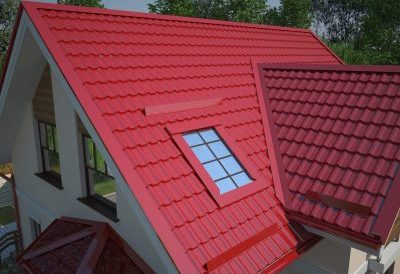
Metal also reflects a significant percentage of solar radiation, reducing attic temperatures and lowering cooling bills during the months when New Orleans heat indexes regularly exceed 105 degrees Fahrenheit. On a shotgun house, a metal roof adds both longevity and a subtle modern edge that complements the home’s clean, narrow profile. Aluminum and galvalume steel resist the salt air corrosion that affects homes closer to Lake Pontchartrain and the Gulf Coast.
Are Architectural Shingles a Good Fit for NOLA Homes?
Architectural shingles, also called dimensional or laminate shingles, have largely replaced three-tab products as the standard for residential roofing across Louisiana. They offer enhanced wind ratings, often certified to 130 mph, and come in a wide variety of textures and colors that can replicate the look of wood shakes, slate, or tile at a fraction of the cost.
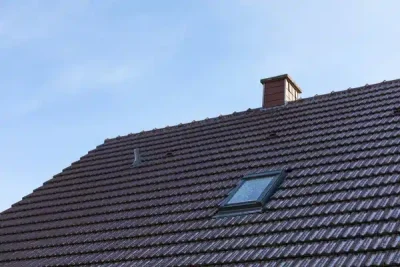
For homeowners on a tighter budget, architectural shingles deliver a strong balance of wind resistance, visual appeal, and affordability. In neighborhoods with historic overlay districts, shingles in wood-tone or slate-gray profiles can satisfy both design review boards and the homeowner’s desire for a modern-looking roof.
What About Natural Materials Like Slate and Wood Shakes?
Slate and wood shakes carry deep roots in New Orleans architecture, particularly on Victorian and Colonial Revival homes in the Garden District, Uptown, and along Esplanade Avenue. Natural slate can last a century or more and offers unmatched elegance, while cedar shakes provide natural insulation and a warm, textured appearance that pairs well with Creole and Craftsman-style dwellings.
Both materials come with higher upfront costs and ongoing maintenance requirements. Cedar needs periodic treatment to resist rot and insect damage in NOLA’s humid air, and slate installation demands a contractor experienced with the material’s weight and fragility. Composite alternatives that mimic the look of slate or wood at a lower weight and cost have become a practical middle ground for homeowners who want the traditional aesthetic on a modern budget.
Sustainable and Eco-Friendly Roof Options
Can Solar Roofing Work on New Orleans Homes?
New Orleans averages over 210 sunny or partly sunny days per year, giving solar roofing strong energy production potential. Modern photovoltaic shingles integrate directly into the roof surface, generating electricity without the bulky panel racks that can look out of place on historic-style homes, and Louisiana offers tax incentives that offset installation costs.
Solar shingles and integrated panel systems work best on south-facing roof planes with minimal shading from live oaks or neighboring structures. On a camelback double, the elevated rear section often provides an ideal mounting surface that is visible only from the backyard. Homeowners who combine solar with a new residential roof installation can reduce energy bills by 40 to 70 percent and increase property resale value.
Are Green Roofs Practical in the New Orleans Climate?
Green roofs, which layer vegetation over a waterproof membrane, reduce stormwater runoff by up to 65 percent and provide natural insulation that lowers cooling costs. In a city that deals with frequent flash flooding and aging stormwater infrastructure, every square foot of roof that absorbs rain rather than sending it to the street helps ease pressure on the drainage system.
Extensive green roofs with low-maintenance sedums and native grasses work well on flat or low-slope sections of larger NOLA homes, carriage houses, and garage structures. The vegetation layer keeps roof surface temperatures dramatically lower than conventional dark shingles, which benefits both energy costs and the longevity of the waterproof membrane underneath.
How Do Cool Roof Coatings Help in South Louisiana?
Reflective cool roof coatings bounce up to 80 percent of incoming solar radiation away from the roof surface, keeping attic temperatures significantly lower than uncoated surfaces. For New Orleans homeowners who are not ready for a full roof replacement, a reflective coating applied to an existing roof can cut cooling costs and extend the roof’s useful life by several years.
Elastomeric and silicone coatings are the two most common options for the Gulf Coast climate. Both resist ponding water and UV degradation, and they create a seamless membrane that seals minor cracks and seam separations. In neighborhoods where reflective white or light-colored roofs are visually compatible, cool coatings offer an affordable sustainability upgrade.
Enhancing Curb Appeal Without Losing Architectural Character
How Do You Match a Modern Roof to a Historic NOLA Neighborhood?
Blending a modern roof with a historic New Orleans streetscape starts with matching pitch, proportion, and material texture to the surrounding homes. In neighborhoods like the French Quarter, Marigny, and parts of Mid-City, historic preservation guidelines may dictate acceptable materials, colors, and roof shapes, so checking with the Historic District Landmarks Commission before starting work avoids costly rework.
Outside of designated historic districts, homeowners have more flexibility. A charcoal standing seam metal roof on a renovated shotgun house, for example, adds a contemporary feel without clashing with neighboring wood-frame homes. Choosing a roof color that complements the home’s siding, shutters, and trim ties the modern update into the overall facade rather than making the roof look like an afterthought.
What Role Do Dormers, Overhangs, and Trim Play in Modern Roof Design?
Dormers, extended overhangs, and clean trim details are the architectural features that give a modern roof its finished appearance and practical performance on a New Orleans home. Extended eaves shade windows, reduce wall moisture exposure, and channel rainwater away from the foundation, all of which matter in a city where wood-frame homes sit on raised piers or masonry foundations that need protection from standing water.
On camelback homes and double shotguns, adding a shed dormer to the rear elevation opens up second-floor living space while keeping the street-facing roofline intact. Minimalist fascia and soffit details create the clean lines associated with contemporary design without requiring a dramatic change to the underlying roof shape.
Choosing the Right Modern Roof for Your New Orleans Home
What Factors Should You Weigh Before Making a Decision?
Selecting a modern roof design for a New Orleans home involves balancing five key factors: wind and weather resistance, compatibility with the existing structure and neighborhood character, energy efficiency goals, long-term maintenance costs, and compliance with local building codes or historic district regulations. No single roof style or material checks every box for every home, so the decision starts with understanding your property’s specific needs.
A homeowner in Lakeview replacing storm-damaged shingles has different priorities than someone in the Irish Channel restoring a 19th-century double shotgun. Budget, timeline, and how long you plan to stay in the home all shape the equation. Standing seam metal may cost more upfront but could outlast three rounds of architectural shingles over the same time span.
The most reliable path forward is a roof assessment that evaluates the existing structure, identifies any code requirements for your location, and presents material and design options side by side with realistic cost projections. Big Easy Roof Repairs provides this type of evaluation for homeowners throughout the New Orleans metro area.
Get Started With a Modern Roof Upgrade
Whether you own a shotgun house in the Seventh Ward, a Creole cottage in Treme, or a raised-foundation home in Gentilly, the right modern roof design can improve your home’s performance, lower your energy costs, and add lasting curb appeal while honoring the architectural traditions that make New Orleans unlike any other city. Big Easy Roof Repairs has the local knowledge and installation experience to guide you from initial design selection through final installation.
We serve New Orleans, Baton Rouge, Gretna, Hammond, Covington, and throughout Louisiana and Florida.
Call (504) 688-3387 or schedule a free roof consultation to discuss modern roof designs for your home.
Frequently Asked Questions
What is the best roof shape for hurricane resistance in New Orleans?
Hip roofs are the strongest option for hurricane-prone areas because all four sides slope inward, distributing wind pressure evenly and reducing uplift forces compared to standard gable designs.
Can I put a modern metal roof on a historic shotgun house?
Yes, standing seam metal roofing in muted colors like charcoal or bronze works well on shotgun houses and satisfies most non-landmark historic district guidelines. Check with the Historic District Landmarks Commission if your home falls within a regulated zone.
How long does a standing seam metal roof last in Louisiana?
A properly installed standing seam metal roof typically lasts 40 to 70 years in South Louisiana, depending on the metal type and coastal exposure level.
Are solar shingles worth it in New Orleans?
New Orleans receives enough annual sunshine to make solar shingles a strong investment, with potential energy bill reductions of 40 to 70 percent. Louisiana tax incentives further offset the upfront cost.
What roofing materials require the least maintenance in NOLA’s humid climate?
Standing seam metal and high-quality architectural shingles require the least maintenance. Metal resists rot, mold, and insect damage, while architectural shingles with algae-resistant granules hold up well in high-humidity conditions.
Do I need a permit to change my roof style in New Orleans?
A building permit is required for roof replacement in New Orleans. If the project changes the roofline or the home is in a historic district, additional review and approval from the Historic District Landmarks Commission may be necessary.