


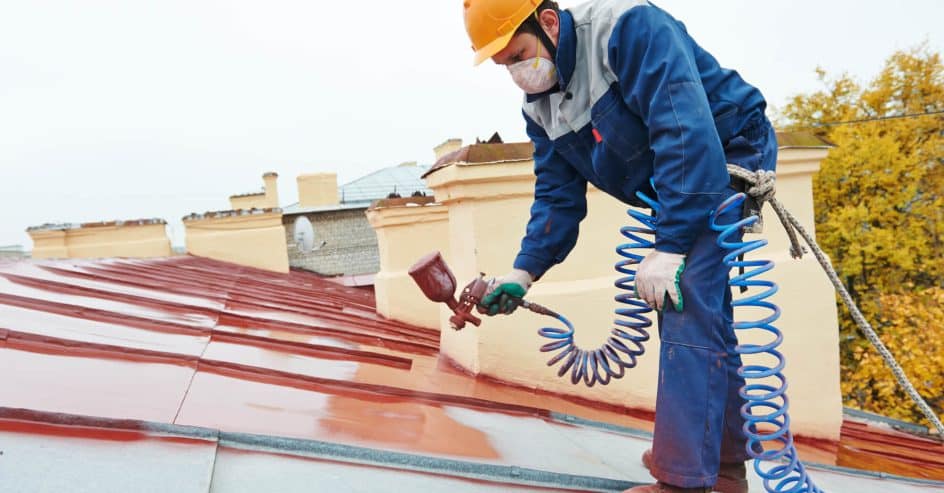
Waterproof Commercial Roofs for 20+ Years with Elastomeric Coatings
Elastomeric roof coatings create a seamless, flexible waterproof membrane that shields New Orleans commercial flat roofs from humidity, UV exposure, and hurricane-driven rain. Big Easy Roof Repairs applies these coatings to extend roof life by 10 to 20 years while cutting cooling costs by up to 15 percent or more.
Table of Contents
- What Are Elastomeric Roof Coatings?
- Why New Orleans Commercial Roofs Need Elastomeric Coatings
- Types of Elastomeric Coatings for Gulf Coast Buildings
- How to Achieve 20+ Years of Waterproofing
- Cost and ROI for Commercial Building Owners
- When to Call a Roofing Contractor
- Protect Your Commercial Roof Before the Next Storm Season
- Frequently Asked Questions
New Orleans commercial buildings face a relentless combination of subtropical humidity, intense UV radiation, and the annual threat of hurricane season from June through November. For property owners and managers across the CBD, Warehouse District, and French Quarter, keeping a flat roof watertight is not optional. Big Easy Roof Repairs has applied elastomeric roof coatings to commercial properties throughout the Greater New Orleans area for more than 20 years, delivering proven waterproofing protection that stands up to Louisiana’s demanding climate.
What Are Elastomeric Roof Coatings?
How Do Elastomeric Coatings Protect a Commercial Roof?
Elastomeric roof coatings are liquid-applied waterproof membranes made from elastic polymers that cure into a seamless, flexible barrier bonded directly to the existing roof substrate. They stretch at least 100 percent and return to their original shape without cracking, bridging minor surface defects and sealing joints and seams against water intrusion.
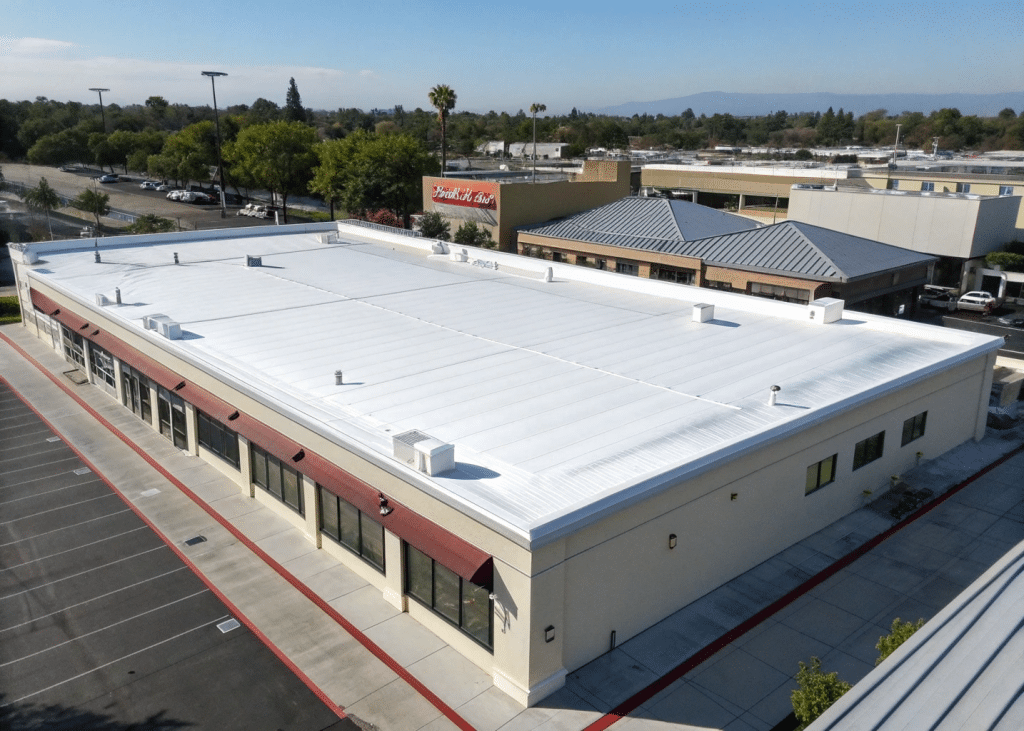
Because they are applied as a liquid, elastomeric coatings fill every crack, seam, and penetration point on a flat roof. Once cured, the membrane moves with the building as temperatures shift between the cool mornings and sweltering afternoons common in South Louisiana. This flexibility prevents the stress fractures that rigid coatings develop over repeated thermal cycling.
Reflective elastomeric coatings achieve an initial solar reflectance above 80 percent (per ASTM C1549), bouncing sunlight away from the roof surface and lowering interior temperatures. In a city where summer heat indexes regularly exceed 105 degrees Fahrenheit, that reflectance translates directly into reduced air conditioning loads and lower utility bills.
What Are the Primary Benefits for Commercial Buildings?
Commercial building owners gain three core advantages from elastomeric coatings: waterproof protection against heavy rainfall, significant energy savings through solar reflectance, and a lower total cost of ownership compared to a full roof replacement.
A properly applied elastomeric system can reduce cooling expenses by 15 percent or more, which adds up quickly on a large commercial footprint. The coating also shields the underlying membrane from UV degradation, thermal shock, and the physical impact of wind-driven debris during Gulf Coast storms.
Because the coating is applied over the existing roof, there is no tear-off, no disruption to building occupants, and far less construction waste. For property managers overseeing multi-tenant buildings in NOLA, that means tenants stay in place and operations continue uninterrupted.
Why New Orleans Commercial Roofs Need Elastomeric Coatings
How Does New Orleans Weather Affect Flat Commercial Roofs?
New Orleans averages roughly 64 inches of rainfall per year and maintains average relative humidity above 75 percent for most of the year. Combined with a hurricane season that runs from June through November, flat commercial roofs in the Greater New Orleans area face water intrusion risks that inland cities simply do not encounter.
Ponding water is a constant concern on low-slope and flat roofs across the CBD and surrounding neighborhoods. Without adequate waterproofing, even small amounts of standing water work their way into seams and fastener penetrations, leading to interior leaks, mold growth, and structural damage. The high humidity accelerates corrosion on metal components and promotes algae and mildew growth on uncoated surfaces.
Elastomeric coatings address all of these issues simultaneously. The seamless membrane eliminates the joints where water typically enters, while reflective formulations resist algae colonization and keep roof surface temperatures well below the ambient air temperature.
Why Is Hurricane Season Preparation Critical?
Hurricane-force winds drive rain horizontally into every gap, seam, and fastener hole on a commercial roof. An elastomeric coating seals these vulnerable points before storm season begins, reducing the likelihood of catastrophic water intrusion during a named storm event.
Property owners along the Gulf Coast understand that post-storm roofing contractors are in high demand and response times lengthen dramatically after a major weather event. Applying an elastomeric coating well before hurricane season gives building owners a proactive layer of defense rather than a reactive repair bill. For commercial roofing in New Orleans, pre-season preparation is one of the most cost-effective investments available.
Types of Elastomeric Coatings for Gulf Coast Buildings
Which Coating Type Works Best on New Orleans Flat Roofs?
The four primary elastomeric coating chemistries are acrylic, silicone, polyurethane, and butyl. For flat and low-slope commercial roofs in New Orleans, silicone coatings are often the preferred choice because they withstand ponding water without breaking down or losing adhesion.
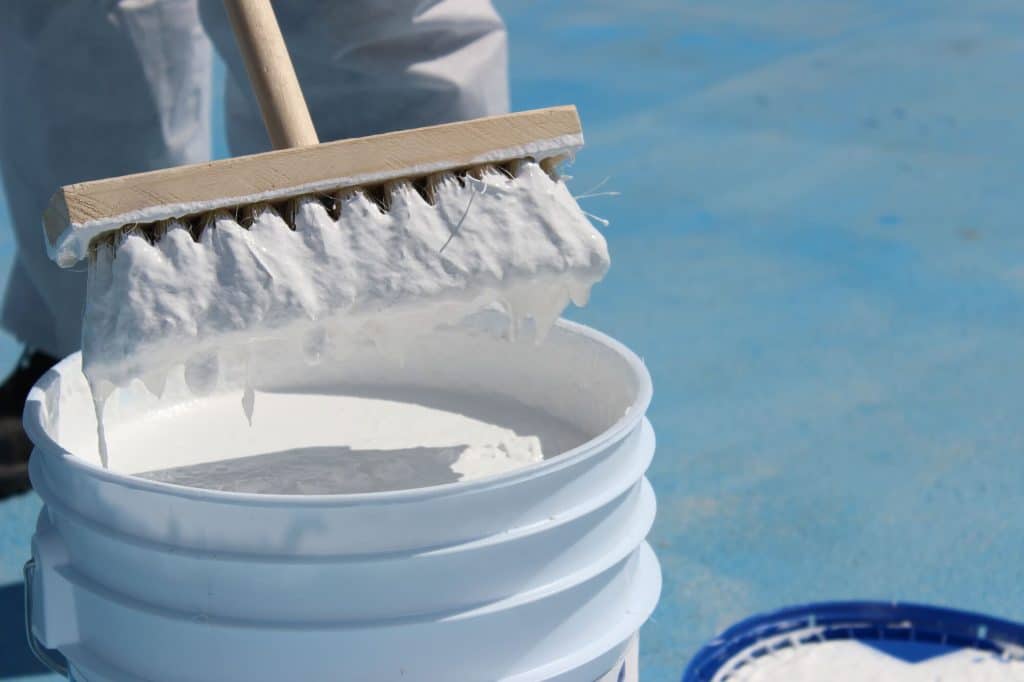
Acrylic coatings are the most affordable option, typically ranging from $0.15 to $0.75 per square foot for materials alone. They perform well as reflective coatings in areas with good drainage but can soften when submerged in standing water for extended periods. Polyurethane coatings offer superior impact resistance and abrasion protection, making them a strong option for roofs with heavy foot traffic or rooftop equipment.
Silicone stands out in the New Orleans climate because it does not absorb water and maintains its integrity even under prolonged ponding conditions. Butyl coatings provide excellent elongation and adhesion on metal substrates. Big Easy Roof Repairs evaluates each building’s drainage profile, substrate condition, and exposure level to recommend the right chemistry for the application.
How to Achieve 20+ Years of Waterproofing
Why Does Substrate Preparation Matter So Much?
A 20-year elastomeric coating system begins with thorough substrate preparation. The existing roof surface must be structurally sound, clean, and completely dry before any coating is applied. Cracks, holes, blistering, and delaminated areas must be repaired first, because weak spots underneath will compromise the bond and shorten the coating’s service life.
Substrate compatibility is equally important. Some roof membranes require a primer coat to achieve proper adhesion, and certain substrates may need additional preparation steps. A concrete roof deck, for instance, may need a specialized primer to prevent the coating from peeling. Skipping this step is one of the most common reasons coatings fail prematurely.
How Thick Should the Coating Be?
Coating thickness directly determines waterproofing longevity. A 20-mil dry film thickness typically delivers around 10 years of protection, while a 30-mil application can reach the 20-year mark. In a high-rainfall environment like Southeast Louisiana, thicker applications provide a larger margin of safety against water intrusion.
Proper application requires even coverage across the entire roof surface. Thin spots from uneven application are the first areas to fail. Using wet film gauges during application confirms that every section meets the target thickness. Each coat must cure fully before the next is applied, and professional-grade spray or roller equipment ensures uniform distribution.
What Maintenance Keeps the Coating Performing?
Annual inspections are the single most effective way to preserve an elastomeric coating’s performance and reflectivity. Regular cleaning removes the organic debris, algae, and mildew that accumulate quickly in New Orleans’ humid environment, preventing buildup that can degrade the coating surface over time.
Most elastomeric systems benefit from a maintenance recoat every 8 to 12 years. Addressing hairline cracks and minor damage early prevents small problems from becoming expensive failures. A scheduled maintenance program with a qualified elastomeric coating contractor protects the initial investment and keeps the warranty intact.
Cost and ROI for Commercial Building Owners
How Much Does an Elastomeric Coating System Cost?
A fully installed elastomeric coating system on a sound commercial roof substrate typically costs between $2 and $5 per square foot, including surface preparation, primer, and two coats of material. By comparison, a full roof tear-off and replacement runs $5 to $12 per square foot, making coatings a significantly more affordable path to long-term waterproofing.
For a 10,000-square-foot commercial building in New Orleans, that translates to a potential savings of $30,000 to $70,000 compared to a complete replacement. The coating can be applied with no occupant disruption, which avoids the lost revenue and logistical headaches of relocating tenants during construction.
Financial incentives can further offset the initial investment. Federal and state tax credits for reflective roof coatings may be available to qualifying commercial properties, reducing both the upfront cost and ongoing energy expenses.
When to Call a Roofing Contractor
What Signs Indicate Your Roof Needs an Elastomeric Coating?
Visible signs that a commercial flat roof needs attention include ponding water that remains more than 48 hours after rainfall, interior water stains on ceiling tiles, blistering or cracking on the existing membrane, and noticeably higher cooling costs during summer months. Any of these conditions suggests the current waterproofing barrier has been compromised.
Building owners in New Orleans should schedule a roof evaluation before hurricane season begins in June. Identifying and addressing vulnerabilities in the spring gives enough time for proper surface preparation, coating application, and full curing before the first tropical systems develop in the Gulf.
If your commercial roof is more than 10 years old and has not been recoated, it is worth having the substrate inspected. Catching deterioration before it progresses to the point of needing a full replacement can save tens of thousands of dollars. Call Big Easy Roof Repairs at (504) 688-3387 to discuss your building’s condition and timeline.
Protect Your Commercial Roof Before the Next Storm Season
New Orleans commercial buildings deserve waterproofing that matches the severity of the local climate. Big Easy Roof Repairs applies elastomeric coatings built for the heat, humidity, and storm exposure that define life on the Gulf Coast. Whether your building sits in the French Quarter, the Warehouse District, or anywhere across the Greater New Orleans area, a properly applied coating system can add a decade or more of reliable protection to your existing roof.
We serve New Orleans, Baton Rouge, Gretna, Hammond, Covington, and throughout Louisiana and Florida.
Call (504) 688-3387 or schedule a free roof assessment today.
Frequently Asked Questions
How long does an elastomeric roof coating last in New Orleans?
A properly applied elastomeric coating at 30-mil thickness can last 20 years or more with periodic maintenance recoats every 8 to 12 years. New Orleans’ heavy rainfall and humidity make correct thickness and substrate preparation especially important for reaching that lifespan.
Can elastomeric coatings be applied over an existing commercial roof membrane?
Yes. Elastomeric coatings are designed to be applied directly over existing substrates, including modified bitumen, metal, EPDM, and concrete. The existing surface must be structurally sound and properly cleaned before application.
Is silicone or acrylic better for flat roofs in a humid climate?
Silicone is generally the better choice for flat roofs in humid, high-rainfall areas like New Orleans because it resists ponding water without softening. Acrylic coatings cost less but can break down under prolonged standing water.