


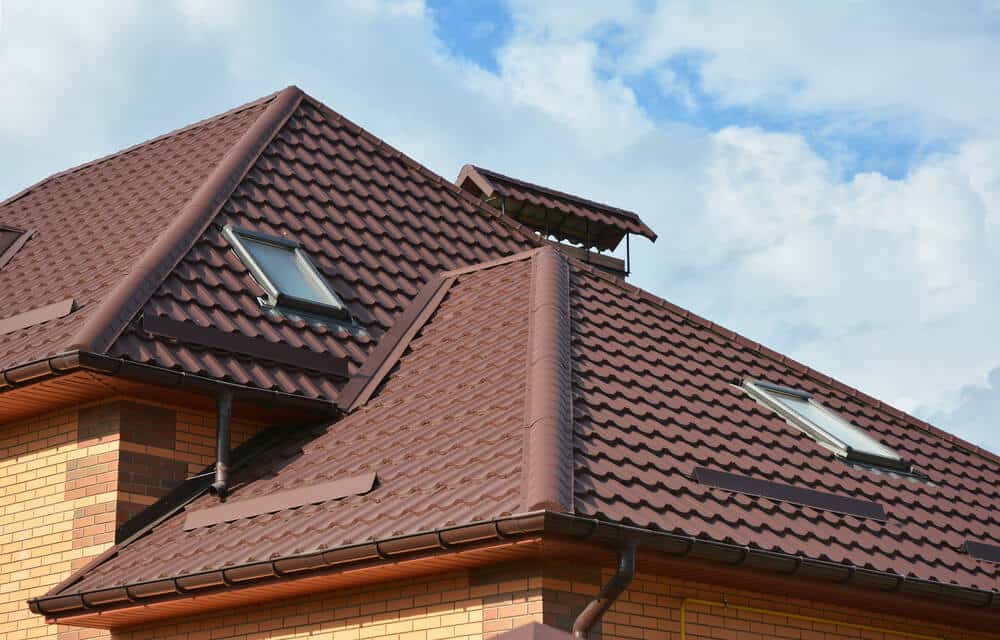

How Attic Ventilation Works in New Orleans, LA | Big Easy Roof Repairs
In New Orleans, attic ventilation is not optional. It is a year-round necessity driven by extreme summer heat, subtropical humidity, and the moisture-trapping construction common in older homes. Proper attic airflow prevents mold growth, lowers cooling bills, and extends shingle life. Big Easy Roof Repairs helps homeowners across the Greater New Orleans area choose and install the right ventilation system for their roof type and climate exposure. Call (504) 688-3387 to schedule a ventilation assessment.
Table of Contents
- Why New Orleans Attics Overheat and Trap Moisture
- Types of Attic Ventilation for NOLA Homes
- Benefits of Attic Ventilation in a Humid Climate
- How to Choose the Right Ventilation System
- Maintaining Your Attic Ventilation System
- Schedule a Ventilation Assessment in New Orleans
- Frequently Asked Questions
Why New Orleans Attics Overheat and Trap Moisture
What Makes NOLA Attic Heat So Extreme?
New Orleans summer temperatures regularly push attic spaces above 150 degrees Fahrenheit because dark-colored roofing materials absorb intense Gulf Coast sun while trapped air has no path to escape, creating a furnace effect that radiates heat down into living spaces and drives up cooling costs.
The combination of high ambient temperatures and humidity levels that routinely exceed 80 percent makes Greater New Orleans one of the most demanding environments for residential roofing in the country. Without adequate ventilation, this heat load accelerates shingle aging, warps decking, and forces air conditioning systems to work overtime.
Why Does Humidity Buildup Cause So Much Damage?
Subtropical humidity in the New Orleans metro area creates persistent condensation inside poorly ventilated attics, and that moisture soaks into wood framing, insulation, and decking over time, leading to mold colonies, wood rot, and structural weakening that can require thousands of dollars in repairs.
Many older homes in neighborhoods like the Garden District, Mid-City, and Gentilly were built before modern ventilation standards existed. These homes often have limited soffit openings, sealed gable ends, or insulation that blocks natural airflow, all of which trap warm, moist air inside the attic cavity.
How Does Poor Ventilation Affect Older New Orleans Homes?
Older New Orleans homes with original wood-frame construction and minimal attic access are especially vulnerable to ventilation failure because their design predates modern building codes, meaning they often lack the intake and exhaust balance needed to move humid air out before it causes damage.
Homes built before the 1970s throughout the New Orleans area frequently rely on a single gable vent or a small turbine that cannot keep up with the volume of heat and moisture generated during Louisiana’s long summers. Adding a balanced ridge-and-soffit system or powered attic fan can make a measurable difference in both roof longevity and indoor comfort.
Types of Attic Ventilation for NOLA Homes
Which Vent Types Work Best in a Hot, Humid Climate?
Ridge vents paired with continuous soffit intake vents create the most effective passive airflow for New Orleans homes because they harness natural convection, pulling cooler air in at the eaves and exhausting hot, moist air along the entire roofline without relying on electricity.
Here are the most common attic ventilation types used in the New Orleans area:
- Ridge vents run along the peak of the roof and allow hot air to escape continuously. They work well with the prevailing Gulf breezes common across Southeast Louisiana.
- Soffit vents are installed along the lower edge of the roof overhang and serve as the primary intake for fresh air entering the attic.
- Gable vents are placed in the triangular wall section at the end of a roofline and can supplement airflow in homes where ridge vents are not practical.
- Power vents (attic fans) use electricity or solar power to actively pull hot air out of the attic, a popular upgrade for New Orleans homes with low-slope roofs or limited passive airflow.
- Louver vents allow air to circulate between soffit and ridge systems while keeping rain and pests out.
For many New Orleans homeowners, combining ridge vents with soffit intake vents provides the best balance of performance and cost. If your roof pitch is too low for effective ridge venting, a solar-powered attic fan can be a strong alternative.
Are Ridge Vents Effective in Southeast Louisiana?
Ridge vents are highly effective in Southeast Louisiana because the region’s warm climate creates strong natural convection currents that continuously pull hot air upward and out through the ridge opening, provided adequate soffit intake exists to supply replacement air from below.
Ridge vents run along the peak of the roof and are typically covered with shingle caps that blend into the roofline. They perform best when paired with unobstructed soffit vents that allow cooler outside air to enter at the eaves. In the New Orleans metro, where summer heat is relentless, this pairing can reduce attic temperatures by 20 to 30 degrees.
When Should a Homeowner Consider a Powered Attic Fan?
A powered attic fan is worth considering when passive venting alone cannot overcome extreme heat buildup, which is common in New Orleans homes with hip roofs, low slopes, or limited ridge length that restricts the natural exhaust capacity of standard ridge and soffit systems.
Solar-powered attic fans are increasingly popular in Louisiana because they operate at peak output during the hottest part of the day without adding to electricity costs. They are especially useful in shotgun-style homes and raised Creole cottages where architectural constraints limit passive vent placement.
Benefits of Attic Ventilation in a Humid Climate
How Does Ventilation Lower Energy Bills in New Orleans?
Proper attic ventilation reduces cooling costs in New Orleans by preventing superheated attic air from radiating down through ceilings and insulation, easing the load on air conditioning systems that would otherwise run continuously during the long stretch from May through October.
When attic temperatures drop from 150 degrees to closer to 110 degrees through effective venting, the temperature differential between the attic floor and the living space shrinks significantly. That means your AC unit cycles less frequently, resulting in noticeable savings on monthly utility bills.
Does Ventilation Really Prevent Mold in NOLA Attics?
Yes, adequate ventilation is one of the most reliable defenses against attic mold in the New Orleans climate because it continuously removes the warm, humid air that mold spores need to colonize wood framing, sheathing, and insulation materials.
Mold thrives when relative humidity inside an attic stays above 60 percent for extended periods. In a city where outdoor humidity regularly exceeds that threshold, the only way to keep attic moisture levels in check is to maintain steady airflow that replaces stagnant, moisture-laden air with drier outside air. Left unchecked, mold growth can compromise indoor air quality and lead to costly roof repair or remediation work.
Can Better Ventilation Extend Shingle Life?
Better attic ventilation can extend asphalt shingle life by several years in the New Orleans area because it reduces the extreme heat cycling that causes shingles to blister, crack, and lose protective granules prematurely, especially on south- and west-facing roof slopes.
Shingle manufacturers often require proof of adequate ventilation to honor warranty claims. Without it, the excessive heat trapped beneath the roof deck accelerates aging from below while UV exposure attacks from above, creating a two-sided assault that shortens lifespan well below the rated 25 or 30 years.
How to Choose the Right Ventilation System
What Factors Should New Orleans Homeowners Evaluate?
New Orleans homeowners should evaluate roof pitch, attic square footage, existing vent openings, insulation type, and home architecture style before selecting a ventilation system, because each of these factors directly influences how much airflow is needed and which vent configuration will deliver it most effectively.
Start by calculating the net free area (NFA) your attic requires. The general rule is one square foot of ventilation for every 150 square feet of attic floor space, split evenly between intake and exhaust. A roof inspection can identify whether your current system meets that standard or falls short.
Should You Upgrade Ventilation During a Roof Replacement?
A roof replacement is the ideal time to upgrade ventilation because the decking is already exposed, making it far easier and less expensive to cut new ridge vent openings, add soffit channels, or install powered exhaust fans than it would be as a standalone project.
If you are planning a roof replacement in the New Orleans area, ask your contractor to assess ventilation as part of the scope of work. Adding a continuous ridge vent during re-roofing typically costs a fraction of what a separate ventilation retrofit would, and the performance improvement can be substantial.
Maintaining Your Attic Ventilation System
How Often Should You Inspect Attic Vents in New Orleans?
Homeowners in the New Orleans area should inspect attic vents at least twice per year, once before summer heat arrives and once after hurricane season ends, to ensure that debris, pest nests, paint overspray, or storm damage has not blocked airflow through intake or exhaust openings.
Here are key maintenance steps to keep your ventilation system performing:
- Clear soffit vents of dirt, wasp nests, and paint buildup that can reduce intake airflow.
- Check ridge vents for storm debris or shingle granule accumulation that may obstruct exhaust.
- Verify insulation placement to make sure batt or blown-in insulation has not shifted over soffit openings.
- Test powered fans to confirm motors are running and thermostats are set correctly.
Regular maintenance is especially important after major weather events. Gulf Coast storms can drive debris into vent openings or dislodge components, reducing ventilation performance just when your attic needs it most.
Schedule a Ventilation Assessment in New Orleans
If your New Orleans home feels stuffy upstairs, runs high cooling bills, or shows signs of attic mold or moisture damage, the ventilation system may be underperforming. Big Easy Roof Repairs provides thorough attic and roof ventilation assessments across the Greater New Orleans metro area. We evaluate your current setup, identify deficiencies, and recommend practical upgrades tailored to your home’s architecture and roof type.
Request your free estimate or call (504) 688-3387 to speak with a ventilation and roofing representative today.
We serve New Orleans, Baton Rouge, Gretna, Hammond, Covington, and throughout Louisiana and Florida.
Frequently Asked Questions
How many vents does a typical New Orleans home need?
Most New Orleans homes need one square foot of net free ventilation area for every 150 square feet of attic space, divided equally between intake (soffit) and exhaust (ridge or power) vents. A roofing contractor can measure your attic and confirm the exact requirement.
Can I add ridge vents to an existing roof without replacing it?
Yes. A contractor can cut a slot along the roof peak and install a ridge vent on an existing roof. However, it is more cost-effective to add ridge vents during a full roof replacement when the decking is already accessible.
Do solar attic fans work well in the New Orleans climate?
Solar attic fans work very well in Southeast Louisiana because peak solar output coincides with peak attic heat. They require no wiring, reduce electricity use, and are effective on homes where passive venting alone falls short.
What happens if my attic is not ventilated properly?
Without proper ventilation, attic temperatures can exceed 150 degrees in summer, accelerating shingle deterioration, promoting mold growth on wood framing, and increasing monthly cooling costs significantly. Over time, trapped moisture can also cause structural wood rot.

