


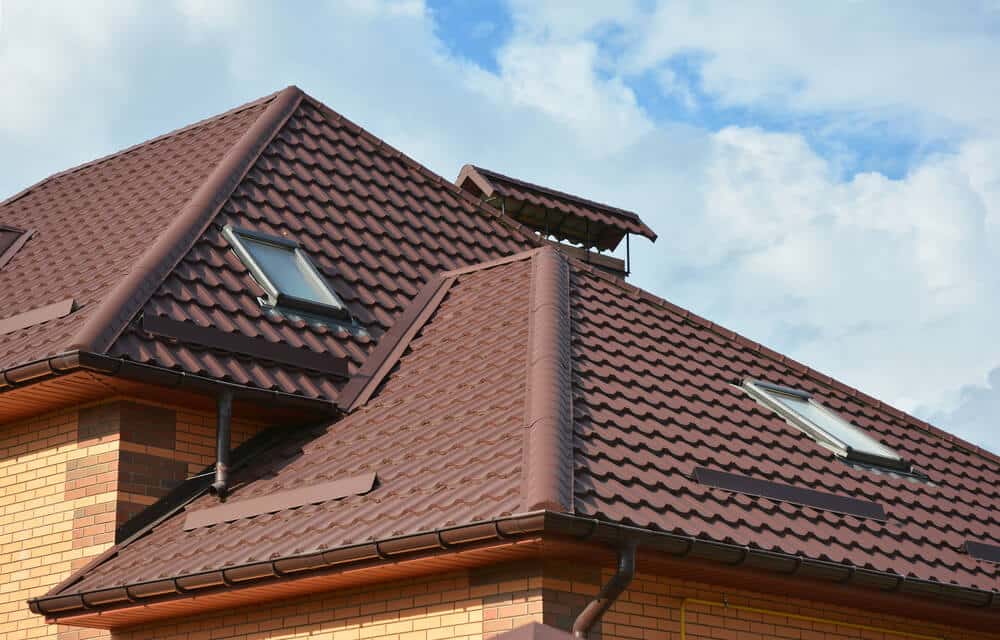

Impact of Hail Damage on New Orleans Roofs
Hail damage on New Orleans, LA roofs ranges from cosmetic dents to structural failures, and Louisiana’s high humidity accelerates deterioration far faster than in drier regions. Big Easy Roof Repairs helps homeowners and commercial property owners across the Greater New Orleans area assess hail severity, complete repairs before moisture compounds the harm, and navigate insurance claims efficiently. Call (504) 688-3387 or request a free estimate to schedule your inspection.
Table of Contents
- Hail Events and Their Impact on New Orleans Roofs
- Understanding Hail Damage Severity Levels
- The Humidity Factor: Why NOLA Damage Worsens Quickly
- Identifying Hail Damage on Different Roofing Materials
- Repair Options Based on Damage Severity
- Preventing Future Hail Damage
- Filing Hail Damage Insurance Claims in Louisiana
- When to Call a Roofing Contractor
- Restore Your New Orleans Roof After Hail
- Frequently Asked Questions
Hail Events and Their Impact on New Orleans Roofs
How often does hail hit New Orleans, and how bad can it get?
The Greater New Orleans area logs dozens of radar-detected hail events annually, with trained weather spotters confirming ground-level hail multiple times each year. Hailstones in the metro have reached two inches in diameter, and a single January 2003 event produced golf-ball-sized hail that caused an estimated half billion dollars in property and vehicle damage across Jefferson and Orleans parishes.
Louisiana’s hail season peaks from late February through May, when cold fronts from the north collide with warm Gulf air. Unlike the isolated supercell storms common in the Great Plains, NOLA hail often arrives embedded in fast-moving squall lines that cover wide areas in minutes. Entire neighborhoods from Lakeview to Algiers can sustain roof damage in a single storm.
The impact on local roofs is compounded by the age of the housing stock. Many shotgun houses, Creole cottages, and raised-foundation homes in neighborhoods like the Marigny, Treme, and Irish Channel carry roofing systems that are decades old and far more susceptible to hail impact than newer installations.
Understanding Hail Damage Severity Levels
What determines whether hail damage is minor or severe?
Severity depends on four main factors: hailstone diameter (stones under one inch cause mostly cosmetic damage while stones over 1.5 inches can crack shingles and puncture membranes), wind speed during the storm, the age and material of your roofing system, and how many impacts land per 10-by-10-foot roofing square.
What is the difference between cosmetic and functional hail damage?
Cosmetic damage affects appearance only, such as minor dents on metal surfaces that do not compromise water-shedding ability, while functional damage breaks the roof’s weatherproofing barrier through cracked shingles, punctured membranes, loosened flashing seals, or displaced granules that expose underlayment to UV and moisture.
This distinction matters for insurance purposes. Most Louisiana policies cover functional damage in full but may limit or exclude purely cosmetic repairs. A thorough roof inspection in New Orleans helps separate the two categories and strengthens your claim documentation.
The Humidity Factor: Why NOLA Damage Worsens Quickly
How does New Orleans humidity turn minor hail damage into a major problem?
New Orleans averages roughly 64 inches of annual rainfall and sustains humidity levels above 80 percent for much of the year, so any crack, granule loss, or puncture created by hail becomes a moisture entry point that promotes wood rot in the roof deck, mold growth in attic spaces, and accelerated shingle degradation within weeks rather than months.
In arid climates, a homeowner might safely delay hail repairs for several months. In NOLA, that same delay invites trouble. Water penetrates through compromised shingles during the next rainstorm, soaks into wooden sheathing, and creates conditions where mold colonies establish themselves in as little as 48 hours.
Older New Orleans homes are particularly vulnerable. Shotgun houses and historic properties often have limited attic ventilation, which traps humid air against the underside of the roof deck. When hail damage lets additional moisture in from above, the wood has nowhere to dry, and rot progresses rapidly. Timely roof repair after a hailstorm is not optional in this climate.
Identifying Hail Damage on Different Roofing Materials
How does hail affect asphalt shingle roofs in New Orleans?
Hail strikes displace the dark protective granules that shield asphalt shingles from UV rays and rain, leaving exposed fiberglass mat that deteriorates rapidly under Louisiana’s subtropical sun. Larger hailstones crack the shingle body itself, creating direct pathways for water to reach the underlayment and roof deck below.
After a hailstorm, check gutters and the ground beneath downspouts for an unusual buildup of granules. That accumulation signals your shingles have lost their first line of defense.
What about metal, flat, and tile roofs?
Metal roofs dent on impact and may develop rust spots over time in NOLA’s salt-laden coastal air, flat membrane roofs common on commercial buildings and shotgun house additions sustain punctures and seam separations, and clay or slate tiles crack or chip, allowing water to pool underneath.
- Metal Roofs: Dents are usually cosmetic, but scratches through the finish layer invite corrosion in humid conditions.
- Flat/Membrane Roofs: Punctures may be tiny and invisible from a distance. Water pooling after storms is a key warning sign.
- Slate and Tile: Fractured pieces need prompt replacement before the next rain drives water into the gap.
Repair Options Based on Damage Severity
What repairs are needed for minor hail damage?
Minor damage typically requires targeted shingle replacement in affected areas, resealing of loosened flashing around penetrations, and applying elastomeric roof coatings to extend the service life of the repaired surface and add an extra layer of waterproofing suited to NOLA’s climate.
When does hail damage require a full roof replacement?
A full roof replacement becomes necessary when hail has damaged a large percentage of the roof surface, when the roof deck shows signs of rot or water saturation from delayed repairs, or when the roofing system was already near the end of its useful life and hail impact pushed it past the point of cost-effective patching.
In between those extremes, roof restoration offers a middle path. This approach preserves salvageable materials, replaces damaged sections, and applies protective coatings to extend the roof’s functional life without the cost of a full tear-off.
Preventing Future Hail Damage
What steps can New Orleans homeowners take to reduce hail vulnerability?
Upgrading to impact-resistant Class 4 shingles, installing hail guards over roof vents, maintaining weatherproofing systems, scheduling annual inspections, and ensuring proper attic ventilation all reduce a NOLA roof’s vulnerability to hail and help it recover faster when storms do strike.
Regular roof maintenance catches weakened areas before the next hailstorm arrives. Replacing worn shingles, resealing flashing, and clearing debris from flat roof drains ensures your roofing system is as resilient as possible heading into each storm season.
Filing Hail Damage Insurance Claims in Louisiana
What do New Orleans homeowners need to know about hail damage claims?
File your claim as soon as possible after the storm, as most Louisiana policies require prompt notice and many insurers impose a 6- to 12-month deadline from the storm date. Document all damage with time-stamped photographs, and have a licensed contractor produce a detailed inspection report that your adjuster can cross-reference during the assessment.
Under Louisiana law, insurers must begin adjusting your claim within 14 days of receiving notice (30 days during a declared catastrophe). They must pay any undisputed portion within 30 days of receiving satisfactory proof of loss. Having a contractor’s itemized report ready when the adjuster arrives speeds this process.
Big Easy Roof Repairs supports New Orleans homeowners through the insurance claims process, producing documentation that helps ensure settlements reflect the true scope of damage.
When to Call a Roofing Contractor
Schedule an inspection after any of these events:
- The National Weather Service confirms hail in your parish
- You find granules collecting in gutters or at downspout bases
- Dents appear on metal vents, flashing, gutters, or outdoor HVAC units
- New water stains show up on interior ceilings or walls
- Neighbors on your block report hail damage to their properties
In a city where the next heavy rainstorm is never far away, acting before moisture enters through damaged areas is always less expensive than reacting after leaks have spread into ceilings, insulation, and wall cavities.
Restore Your New Orleans Roof After Hail
Hail damage on a New Orleans roof does not stay static. Every rainstorm, every humid night, and every blast of subtropical sun pushes compromised materials closer to failure. The gap between a manageable repair and a full replacement narrows quickly in this climate.
Big Easy Roof Repairs provides thorough hail damage inspections and repairs for residential and commercial properties across the Greater New Orleans metro, from the historic French Quarter to growing communities in eastern New Orleans and the Westbank.
We serve New Orleans, Baton Rouge, Gretna, Hammond, Covington, and throughout Louisiana and Florida.
Call (504) 688-3387 to schedule your hail damage assessment and protect your roof before the next storm.
Frequently Asked Questions
Can hail damage a roof without leaving visible marks?
Yes. Hailstones can fracture the fiberglass mat underneath asphalt shingle granules without creating obvious surface marks, and this hidden damage only becomes apparent when leaks develop during later rainstorms.
How long does a hail damage roof repair take in New Orleans?
Minor repairs involving a few dozen shingles and some flashing work typically take one day. Larger projects requiring partial re-roofing or deck replacement can take several days depending on weather and material availability.
Does hail damage affect my roof’s wind rating for hurricane season?
It can. Cracked shingles, loosened flashing, and compromised nail seals all reduce wind uplift resistance, so repairing hail damage before hurricane season is important for any New Orleans, LA homeowner.

